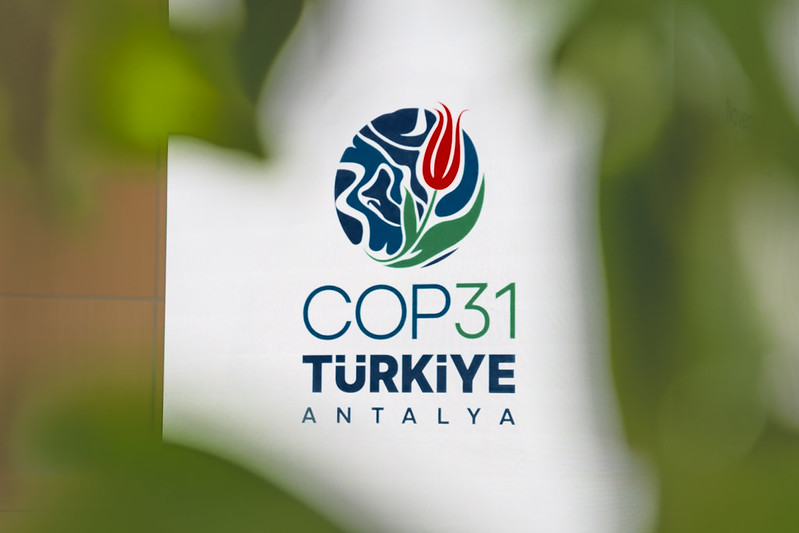
The 31st UN Climate Change Conference (COP31) opens in Antalya, Türkiye, on 9 November and runs until 20 November 2026. Governments, policymakers and civil society will gather for a summit widely billed as an “implementation COP”. After years of setting targets, the pressure now is to show that climate commitments translate into measurable results.
COP31 2026 also has an unusual structure. Türkiye hosts the conference and leads the Action Agenda, a framework for voluntary commitments by non-state actors. Australia presides over the formal negotiations.
This guide covers the key issues and priorities at COP31, what to expect from the negotiations, and how local initiatives are helping close the global implementation gap.
Key Issues and Priorities at COP31
Under the official framework “Driving Implementation Through Cooperation and Collective Action,” the COP31 Action Agenda Priorities focus primarily on moving from commitments to real-world execution:
Clean Energy Transition: Accelerating grid optimization, clean cooking, smart digitalization, and flexible energy systems to raise the global electrification rate to 35% by 2035.
Zero Waste & Methane Mitigation: Curbing the growth of global waste generation by 50% by 2035, targeting waste-stream methane emissions, and expanding circular economy frameworks (such as Extended Producer Responsibility and eco-design).
Climate-Resilient Cities & Infrastructure: Promoting sustainable urban planning, green building certifications, and risk insurance mechanisms to lower building sector energy intensity by at least 25% by 2035.
Green Industrialization: Scaling up the use of circular materials in manufacturing to at least 15% by 2035 while enhancing international coordination, transparency, and policy support for low-carbon industrial transformations.
Climate Implementation Bridge Mechanism: Expanding institutional tools and financial architectures to bridge climate commitments (NDCs) with bankable, investable project pipelines.
Oceans, Seas & Biodiversity: Enhancing marine and coastal ecosystem resilience, scaling up Blue Carbon solutions, and bridging UNFCCC climate goals with biodiversity targets.
Food Safety & Agriculture: Driving the sustainable transformation of agricultural and food systems, reinforcing water security, and building resilience against drought.
Dynamic & Resilient Health Systems: Strengthening climate-resilient healthcare infrastructure, establishing early-warning systems for disease outbreaks, protecting air quality, and safeguarding vulnerable populations.
Youth & Education: Scaling up climate literacy, embedding structured youth participation in climate action, and fostering green jobs.
What to Expect: Closing the Implementation Gap
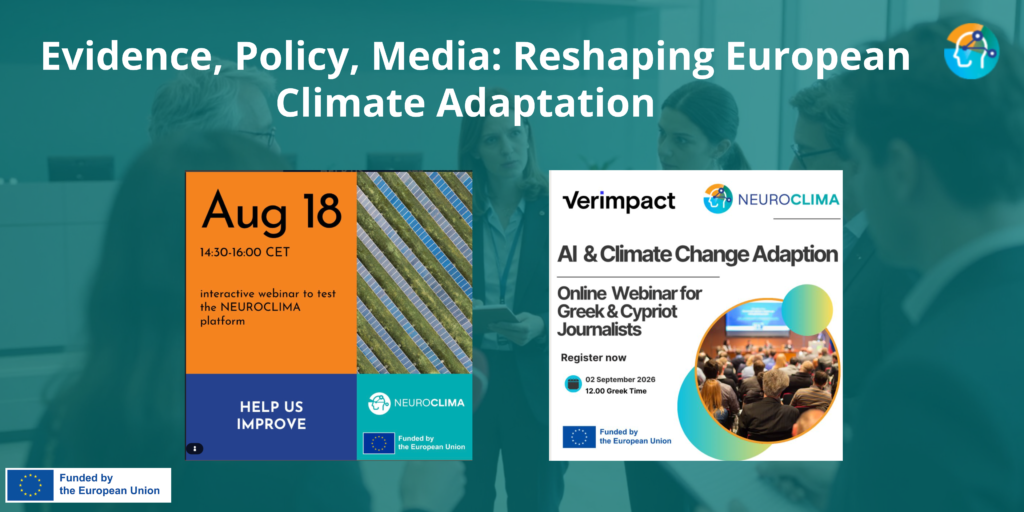
COP31 places a strong emphasis on non-state actors, recognizing that closing the implementation gap requires policies co-designed with citizens and local communities. Delivering on global climate ambitions ultimately depends on practical action at the regional level. The EU-funded Neuroclima project demonstrates precisely how adaptation frameworks are put into practice across European communities, leveraging behavioral science, digital tools, and multi-stakeholder collaboration.
To bridge the gap between high-level adaptation goals and everyday decision-making, the project has developed a suite of practical tools, methodological frameworks, and field-tested solutions:
- The Neuroclima Hub, with five groundbreaking tools: LENS offers structured search of climate literature, policy and news; BOT is a natural-language conversational assistant that distills scientific data into clear, context-aware insights for communicators, climate experts and decision-makers; Deliberate provides a structured digital framework for inclusive, multi-stakeholder community dialogue; Play uses gamified mechanics, interactive scenarios and storytelling to foster experiential learning and public engagement; and Learn offers modular e-learning pathways and analytics to build long-term climate literacy.
- The Neuroclima Framework: an integrated, multi-dimensional ecosystem for climate resilience that bridges the gap between scientific knowledge and real-world civic action by harmonizing behavioral science, artificial intelligence and applied creativity.
- 60+ Creative Tools & Activities: an accessible online repository of over 60 creative tools and interactive activities designed to foster scientific literacy, educational outreach and civic participation.
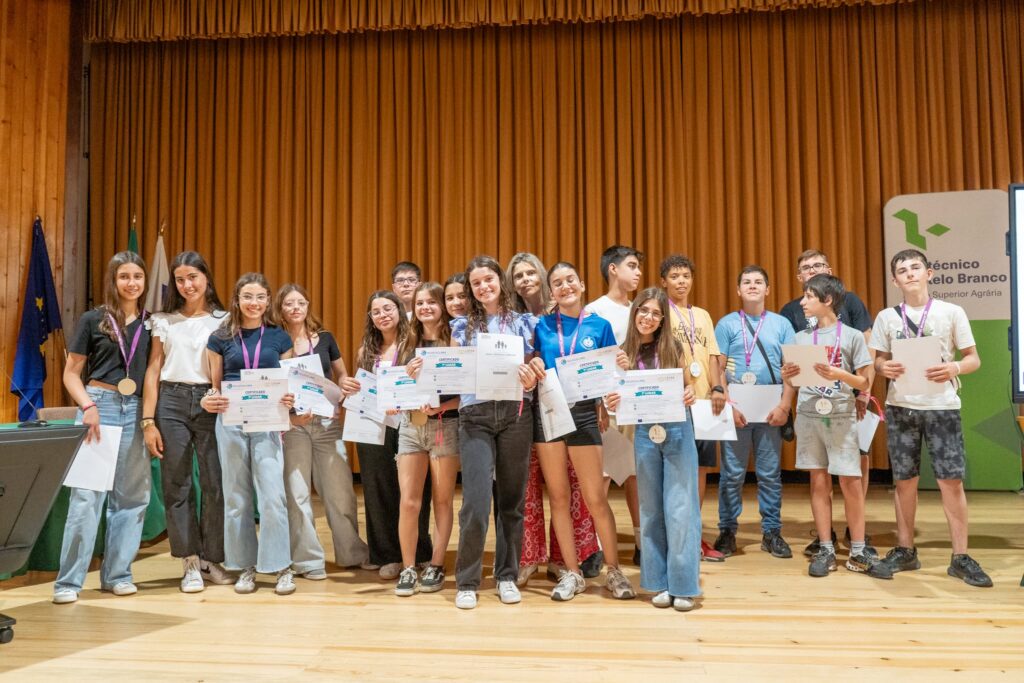
- Multi-Sectoral Pilots: thousands of students, educators, youth workers, journalists, content creators, climate experts and policymakers have engaged in pilot activities across six European countries: Ireland, Belgium, Portugal, Italy, Greece and Cyprus.
While negotiators in Antalya shape the next phase of international adaptation policy, Neuroclima offers a field-tested model. Lasting climate resilience is built when communities have the right tools, knowledge and agency to drive local action.
To explore the Neuroclima Hub, its 60+ creative tools or the six European pilots, visit neuroclima.eu.