
As the 31st UN Climate Change Conference (COP31) officially opens its doors in Antalya today, the international community gathers once again to align on a shared imperative. Global climate summits remain an essential anchor of our collective response -they set the trajectory, establish multilateral solidarity, and forge the overarching commitments without which global alignment is impossible.
Yet, anyone working in climate governance knows that international treaties are only as strong as their implementation on the ground. The true test of COP31 will not be measured solely in top-down pledges, but in how effectively we empower local communities, regions, and citizens to translate those global visions into lived, daily action.
As detailed in Neuroclima’s foundational Policy Brief #1 on Enhancing Civic Participation in Climate Change Adaptation, overcoming this implementation gap requires moving beyond tokenistic consultation. True civic resilience relies on structured deliberation, diversity, equity, and inclusion (DEI), and active co-creation models that transform citizens from passive observers into architects of local adaptation strategies. The brief serves as a practical guide for policymakers and practitioners seeking to transition from top-down climate mandates to collaborative, community-owned governance.
Closing the Implementation Gap
For years, the climate discourse has wrestled with a persistent challenge: the gap between high-level policy and everyday civic engagement. Citizens recognize the urgency of climate change, but often feel disconnected from abstract targets and distant negotiations.
To ensure that global climate action truly resonates at the local level, the EU-funded Neuroclima initiative works hand-in-hand with this broader international movement. Rather than operating in isolation, Neuroclima provides a practical, behavioral, and digital toolkit designed to bridge the gap between global frameworks and regional realities – helping towns, cities, and regions become active participants in the European and global transition.
Across diverse European landscapes -from agricultural valleys facing prolonged dry spells to alpine communities confronting the lived history of devastating storms, and from bustling urban schoolrooms to regional newsrooms – local pilots have demonstrated that climate resilience succeeds when communities co-design the transition. Explore NEUROCLIMA’S News section to learn about a wide diversity of activities implemented across six European countries with thousands of citizens engaging in its activities.
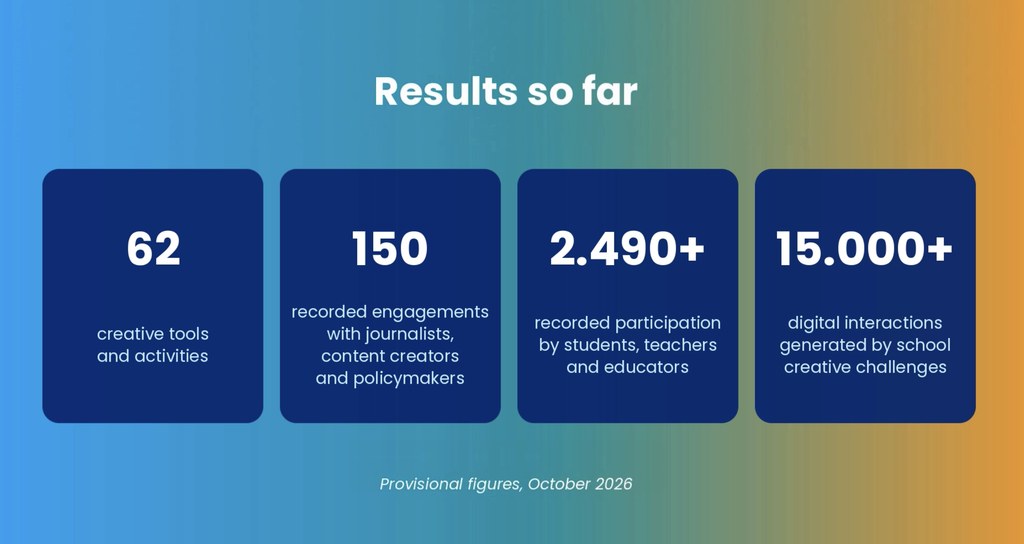
In places like Castelo Branco, the Alpine Valley, County Cavan, and Athens, these tools have proven that when generations sit down to share stories, co-design energy transitions, and decode regional vulnerabilities, systemic change stops being an institutional mandate and becomes a shared community project.
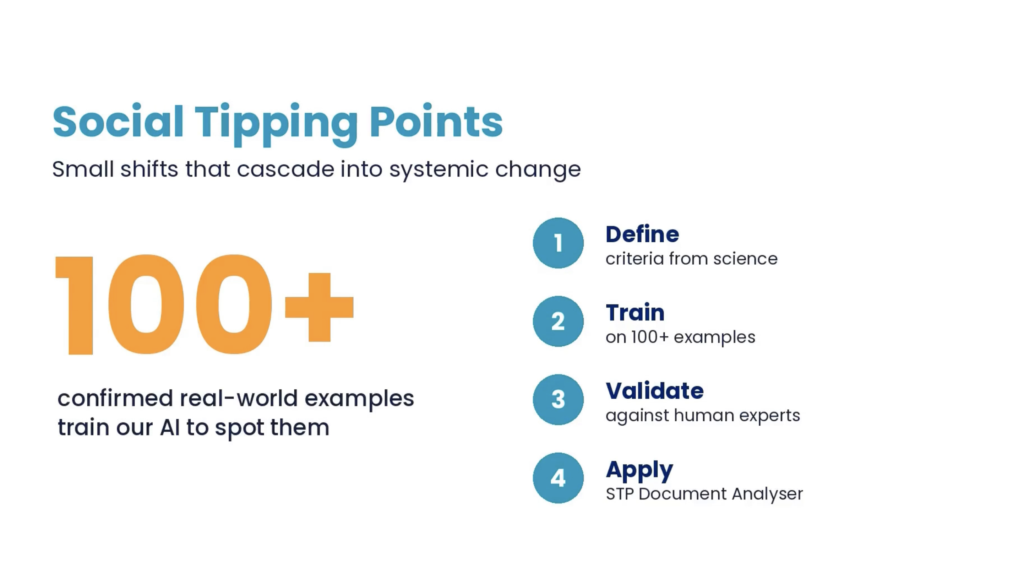
At the core of Neuroclima’s methodology is also the work around Social Tipping Points (STPs), and more specifically detecting and identifying these critical indicators to support the day-to-day work of researchers, journalists, policymakers, educators, and climate experts and activists.
While macroeconomic frameworks focus on top-down targets, understanding where and how social tipping points emerge provides essential intelligence for those navigating the transition on the ground. By equipping practitioners with tools to decode these behavioral shifts across our European pilots, Neuroclima helps bridge the gap between complex climate data and actionable, real-world insights.
Why Local Implementation Matters at COP31
As leaders take their seats in Antalya today, the overarching mandate of COP31 is clear: accelerating implementation and protecting vulnerable communities.
Global climate architecture can set the trajectory, but resilience is ultimately built at the municipal and regional levels. If the transition is to succeed, national targets must be anchored in the daily realities of citizens, supported by tools that make climate action transparent, collaborative, and locally actionable.
As the summit unfolds over the coming days, the core question shouldn’t just be what governments are promising in Antalya – but how we are empowering our towns, cities, and regions to deliver on those promises from the ground up.
As we advance this shared responsibility together, we invite you to subscribe to our newsletter to be updated about the NEUROCLIMA’s tools, activities, and the main outcomes of the project: