Climate change presents not only a scientific and environmental challenge, but a deeply human one. As climate-related realities become more prominent across Southern Europe, traditional educational models often struggle to bridge the gap between scientific information and long-term behavioral change.
To address this challenge, the NEUROCLIMA Athens Pilot, implemented in Greece by IASIS, focuses on transforming climate awareness into meaningful action through innovative learning pathways.
Moving Beyond Climate Fatigue
Rather than relying solely on traditional instruction, the Athens pilot will explore how climate knowledge, emotional engagement, and digital innovation intersect. By combining structured learning with digital tools from the NeuroClima Hub, the initiative tests new ways to foster resilience, empathy, and sustainable habits in everyday life.
Key Objectives
- Bridge Knowledge and Action: Connect climate data with practical behavioral shifts.
- Support Emotional Literacy: Provide learners with tools to process climate anxiety and build constructive engagement.
- Empower Facilitators: Equip educators and youth workers with adaptable, digital-first learning pathways.
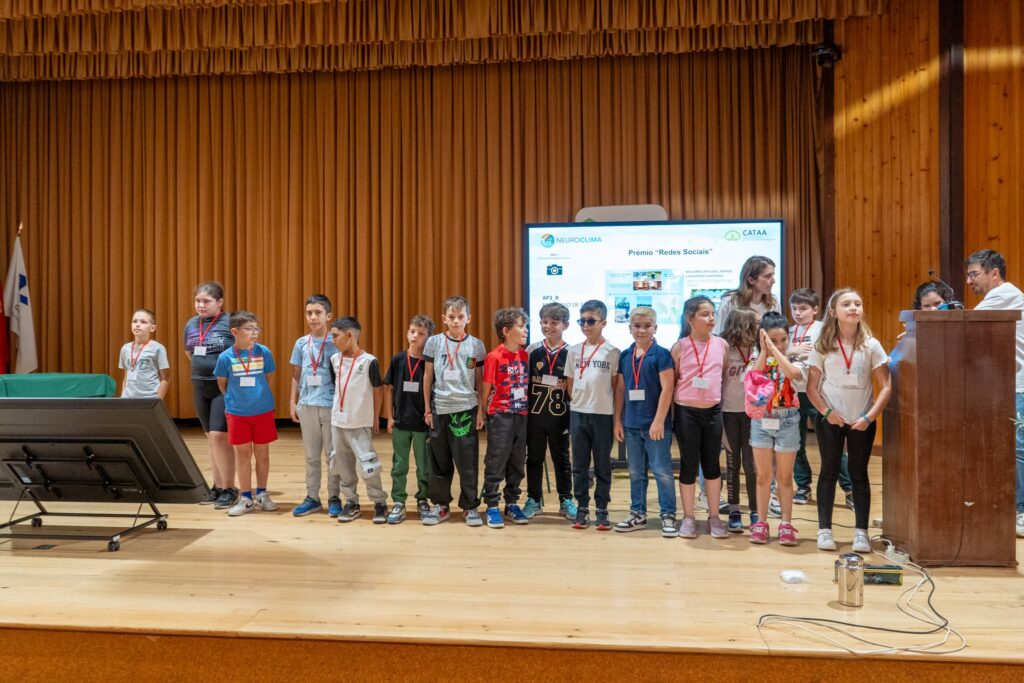
The pilot is designed to engage participants across formal, non-formal, and community-based environments in urban and semi-urban settings across Greece:
- Educators & Facilitators: Teachers across upper secondary, vocational, and higher education, alongside youth workers and community leaders.
- Students & Young Learners: Youth and adult learners (aged 15+) exploring digital climate pathways.
- Local Citizens: Community members participating in collaborative engagement activities.
Methodology & Implementation Steps
The activity tests user-centered learning pathways designed to evaluate both educational outcomes and behavioral indicators:Methodology & Implementation Steps
The pilot employs a user-centered methodology structured across three distinct phases, designed to evaluate both educational outcomes and behavioral changes:
1. Digital Exploration and Onboarding
Participants begin by exploring the digital tools integrated into the NeuroClima Hub. Through structured learning modules (LEARN, PLAY, and DELIBERATE), students and citizens interact with AI-driven scenarios, establishing a baseline understanding of climate concepts and testing digital accessibility across diverse age groups.
2. Collaborative Co-Creation Workshops
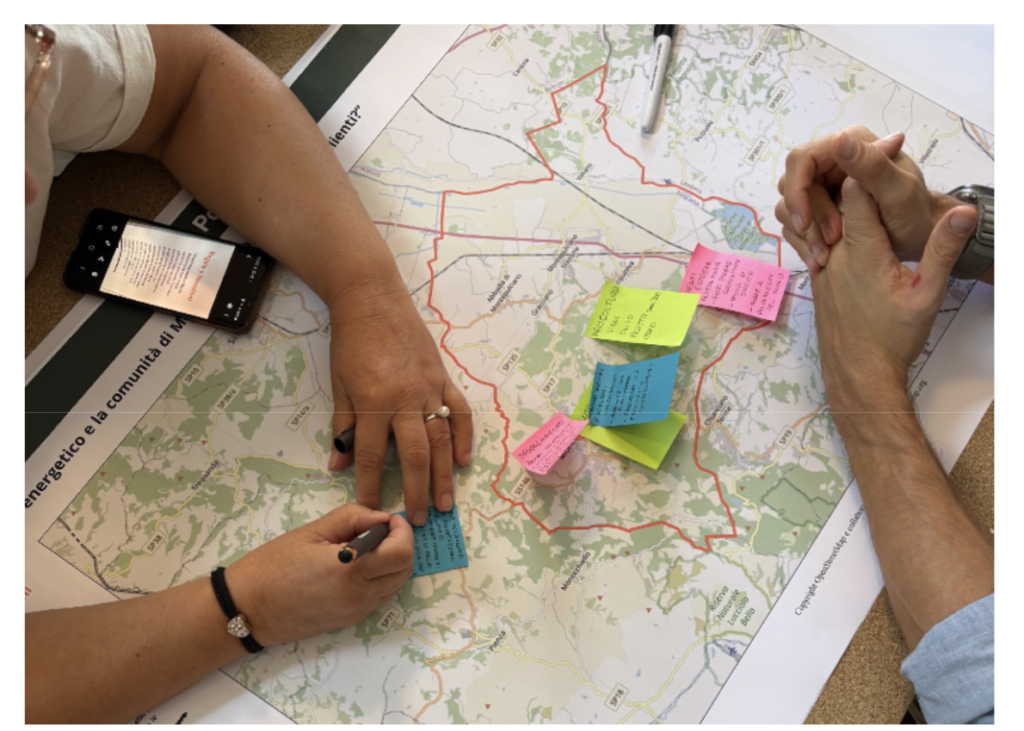
Building on the digital tools, educators and youth workers lead hands-on, creative workshops. These interactive sessions use storytelling, group discussions, and local climate scenarios to help participants process climate concerns constructively, collaborate on ideas, and translate concepts into tangible local projects.
3. Behavioral Assessment and Impact Measurement
Throughout the pilot, structured pre- and post-activity evaluations measure changes in participants’ climate literacy, emotional readiness, and willingness to take sustainable action. These insights help validate the effectiveness of combining digital innovation with community-driven learning pathways.