By: CATAA – Centro de Apoio Tecnológico Agro-Alimentar
Across Portugal, climate change is increasingly visible in everyday life. In recent years, communities have experienced droughts, devastating wildfires, and more frequent extreme weather events. The interior regions of the country, including Castelo Branco, are particularly exposed to these challenges. Prolonged dry periods affect agriculture and landscapes, while extreme storms and floods, such as those associated with Storm Kristin in January 2026, remind us how quickly climate risks can affect communities.
Against this backdrop, strengthening climate literacy is essential. However, climate literacy is not only about providing scientific information, but also about helping people reflect on their experiences, emotions, and possible responses to environmental change. This is the starting point for the NEUROCLIMA pilot activities in Castelo Branco, coordinated by CATAA – Centro de Apoio Tecnológico Agro Alimentar.
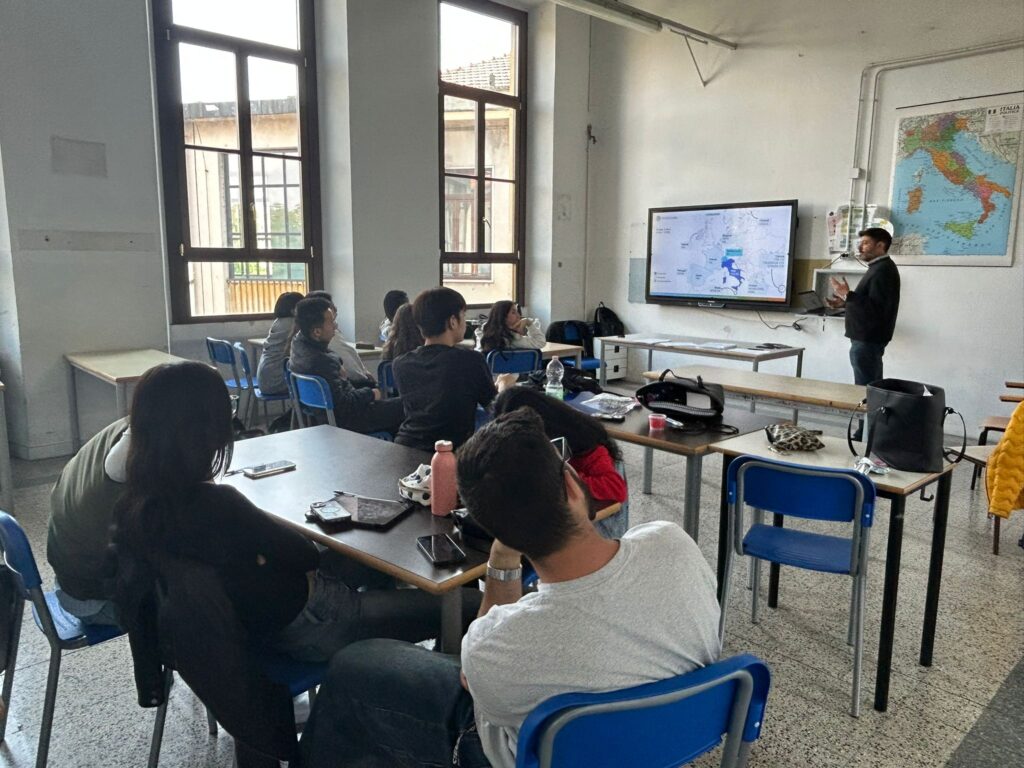
The Castelo Branco pilot activities explore how different groups within society (journalists and content creators, policymakers, students and teachers, and the general population) engage with climate issues, through tailored activities designed to stimulate dialogue, creativity, and informed decision-making. To support this, CATAA will leverage its existing network of regional stakeholders to facilitate participation and collaboration across these groups.
To inspire these activities, participants of these pilots will watch short films, including from CineEco Seia, one of the oldest environmental film festivals of Portugal and in the world. These films will be used as an accessible and engaging entry point, helping to connect emotionally with environmental topics while also introducing scientific and social dimensions of climate change.
The pilot activity directed at journalists will recognize their key role in shaping how climate issues are communicated to the public. Through workshops, journalists will experiment with NEUROCLIMA digital tools designed to help analyse public perceptions and communication dynamics. These tools help identify social tipping points, leverage points, and pain points related to climate action. By using these insights, journalists will develop articles that can better resonate with their audiences and foster more meaningful engagement with climate topics.
Policymakers will also work with the NEUROCLIMA digital tools, providing them with new ways to explore how different segments of the population perceive climate challenges and policy options. By identifying social needs, barriers, and opportunities, policymakers can use these insights to support the development of more responsive and effective climate-related policies.
Another activity focus on schools through the school competition “Mensagens do Futuro” (Messages from the Future). Around 350 students from the 3rd, 6th and 8th grades will participate in a series of creative challenges designed to encourage reflection about climate change and sustainability. The competition invites students to imagine possible futures and communicate their ideas through artistic expression. Over the course of three months, the students will participate in three artistic challenges: photography, creative writing, and short video production. Each challenge encourages them to observe their surroundings, reflect on climate impacts, and communicate their ideas about the future. By combining science communication with creativity, this activity aims to give young participants a sense that their perspectives and voices matter.
The last group of activities are focused on citizens and community engagement. These activities explore how artistic expression can help people reflect on climate issues in both a personal and collective way. Events such as poetry soirées and collaborative theatre performances will invite participants to share stories, emotions, and perspectives related to climate change. These creative formats create space for dialogue that goes beyond technical discussions and allows people to express how environmental changes affect their lives and identities.
What makes the Castelo Branco pilots particularly exciting is the way they connect these different audiences. Students, citizens, journalists, and policymakers are all part of the same local ecosystem, yet they often engage with climate change from very different perspectives. By creating activities that involve creativity, dialogue, and data-driven insights, these pilot activities aim to build bridges between these groups. Furthermore, some activities involving policymakers and journalists are predicted to extend beyond Castelo Branco to also involve participants from Portugal’s coastal regions.
As the activities begin, the team is particularly looking forward to seeing how participants interpret climate challenges through their own experiences and creative expression. Whether through photography, theatre, journalism, or policy discussions, each activity offers a different lens through which climate issues can be explored. Ultimately, the goal of the pilot is to support participants in moving from information to reflection and, eventually, to action.
As one of the organisers explains:
“We want to empower people to find reliable ways to understand climate change and adaptation, reflect on their own emotions and perspectives, and discover meaningful ways to communicate and act within their communities.”
By combining science, creativity, and dialogue, the NEUROCLIMA pilots set in Castelo Branco hope to show that climate literacy is not only about understanding the problem. It is also about imagining and shaping the solutions together.