Cyprus is warming. Across the eastern Mediterranean, rising temperatures, prolonged droughts, and shifting coastlines are no longer distant predictions in a scientific journal—they are the background noise of everyday life. But how do you prepare the generation that will inherit this rapidly changing landscape?
Traditionally, the answer has been data: carbon parts-per-million, rising Celsius baselines, and catastrophic graphs. Yet, a pioneering new initiative in Cyprus is betting on a different catalyst for change: empathy.
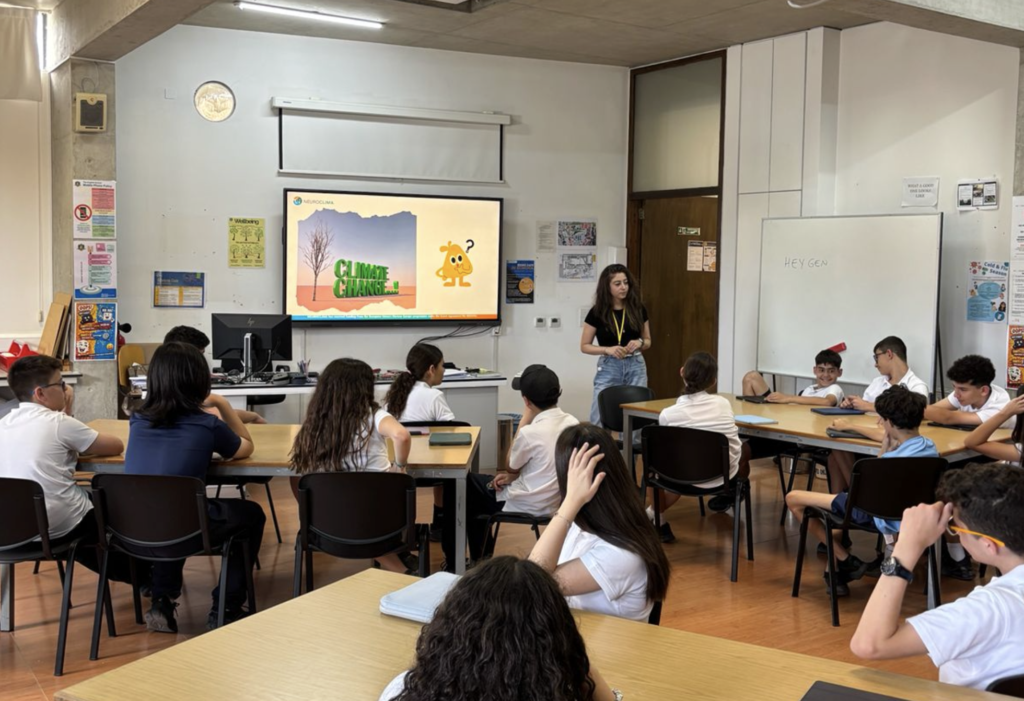
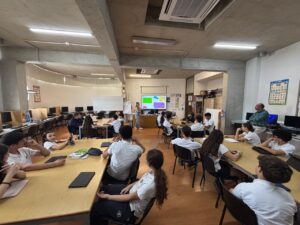
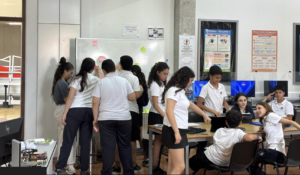
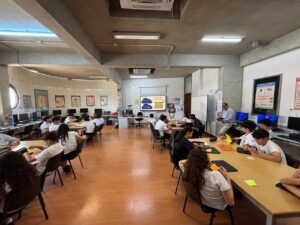
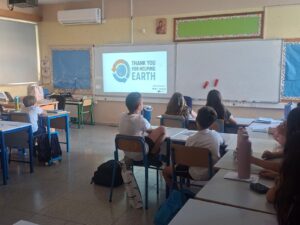
As part of the EU-funded NEUROCLIMA project, consortium partner STANDO LTD recently gathered Cypriot school students for an experiment in climate literacy that swapped textbooks for cinema. The goal of the initiative was simple yet radical: to bypass “climate fatigue” by connecting the brain’s emotional centers directly to environmental action.
Moving past the dry data
Instead of presenting students with a slideshow of statistics, STANDO LTD designed a session that screened a poignant short film depicting the deeply human toll of the climate crisis—how shifting environments fracture families, squeeze local economies, and alter community life.
The choice of medium was deliberate. Rather than treating climate change as a purely technical challenge to be solved by engineers, the session treated it as a social and emotional reality. NEUROCLIMA wanted to evoke a emotional responses. As widely shown by NEUROCLIMA’s experiences across different countries in Europe, when students connect the global climate crisis to the lived experiences of real people, it stops being an abstract problem happening to someone else. It becomes local, personal, and immediate.
What followed the screening was not a quiet lecture, but a lively, guided debate. Students were encouraged to unpack their immediate emotional reactions—grief, anxiety, and frustration—and channel them into constructive dialogue.
The young participants quickly began linking the themes of the film to their own lives in Cyprus, pointing to dwindling winter rain, scorching summer afternoons, and the visible strain on the island’s agricultural communities.
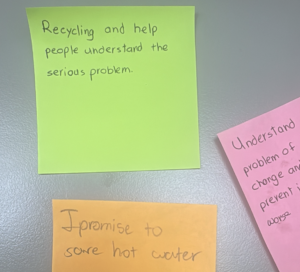
Crucially, the session did not leave the students sitting in anxiety. The final phase of the workshop focused on agency, prompting students to reflect on their own roles as civic actors. They mapped out tangible steps that individuals, schools, and local municipalities can take to build real climate resilience, transforming passive worry into active civic engagement.
The success of the session highlights a growing consensus among climate educators: knowing the facts is no longer enough. To build true climate resilience, we have to change how we feel about climate, our environment, and the future.
By combining narrative storytelling, emotional processing, and collective dialogue, this Cypriot pilot program has provided a vital blueprint for the rest of Europe. It proves that when we give young people the space to feel the weight of the climate crisis, we also give them the power to fight it.