Two webinars in Castelo Branco brought reporters from three local outlets together to ask a question now central to climate coverage everywhere: if the public has more information than ever, why does it feel less engaged and powerless?
There is no shortage of data on climate change. Satellites track it by the hour, models forecast it decades out, and newsrooms publish more of it than at any point in the past. Yet audience research keeps returning the same uncomfortable finding: volume of information and depth of public engagement are not the same thing.
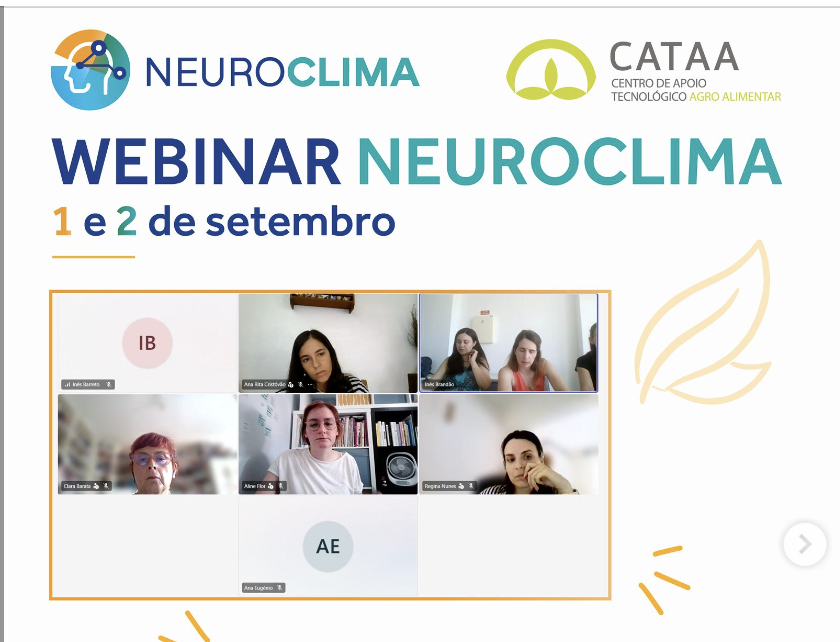
To explore this gap, a group of Portuguese journalists gathered on 1 and 2 September in two webinars run by our Portuguese partner CATAA – Centro de Apoio Tecnológico Agro Alimentar, as part of the series of pilots organised by NEUROCLIMA, an European research project working at the intersection of behavioural science, artificial intelligence and climate adaptation.
Reporters from Contala.pt, Público Azul and Jornal Reconquista joined the different sessions, testing the tools built by NEUROCLIMA to help translate complex climate science into stories that hold an audience — without sacrificing accuracy.
Testing the tools, not just the theory
Rather than a seminar on climate communication in the abstract, the sessions were built around hands-on use. Participants were given direct access to the NEUROCLIMA Hub, and to two of its core applications: Lens, offering structured search across climate adaptation information, and Bot, an AI-powered conversational tool for surfacing and contextualising climate content on demand.
Journalists tested how each tool might fit an actual editorial workflow – sourcing a local angle, checking a claim, or generating a starting point under deadline pressure. A frank discussion followed, on the real obstacles of climate reporting, from dense datasets to finding a narrative that resonates locally. Feedback gathered will be shared with NEUROCLIMA’s research and technology teams, to feed directly into the tools’ future development.
The Portuguese sessions are one strand of a pilot in constant motion. NEUROCLIMA is a consortium of 15 partners – universities, research institutes, sustainability and tech companies – supporting the EU Adaptation Strategy and the Mission on Adaptation to Climate Change by helping policymakers, educators and communicators understand how behaviour actually changes, and what helps that change take hold.
That work has already reached beyond Portugal this year: journalists in across other EU countries also tested the Lens and Bot tools in pilots run by our partners CEPS, Verimpact and Re-Imagine Europa.
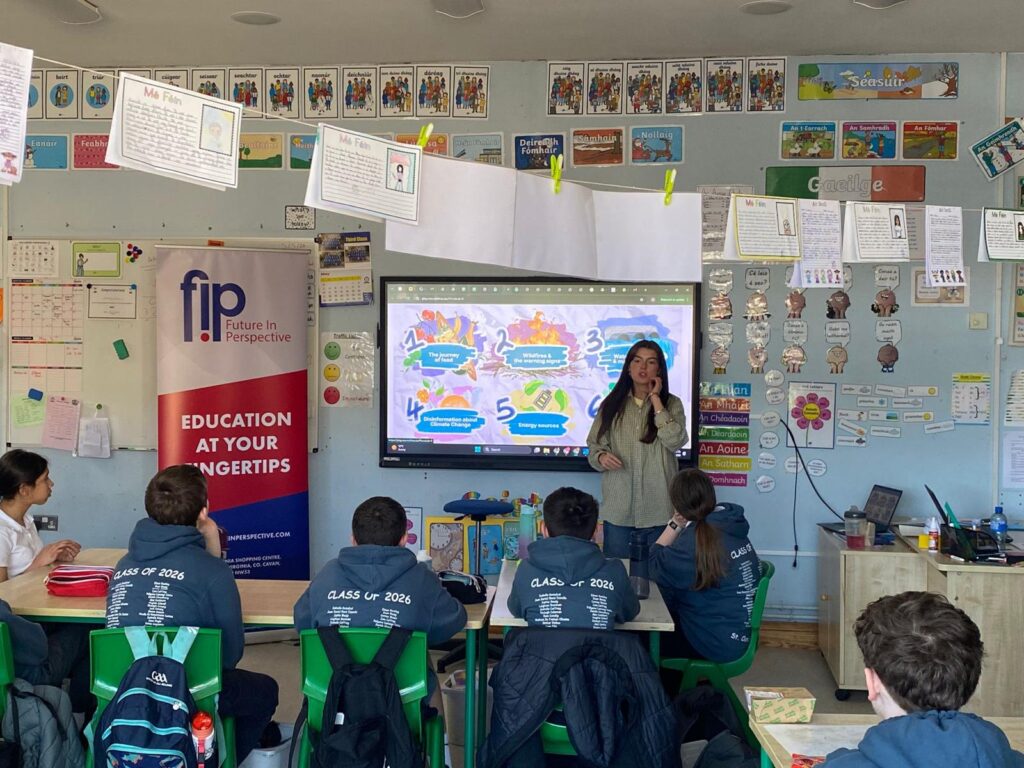
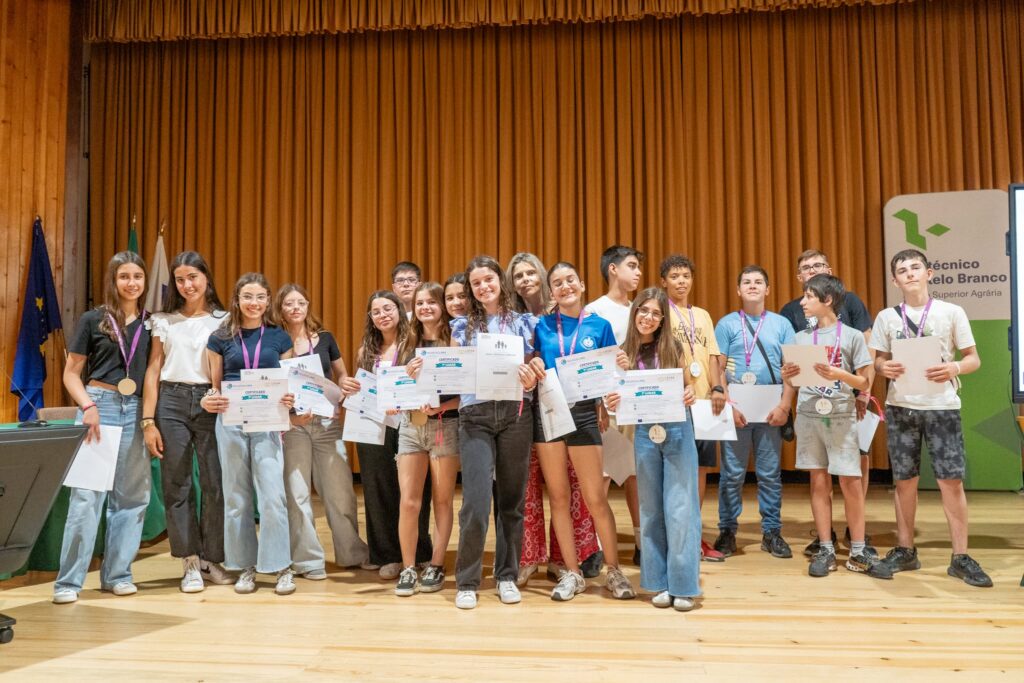
A wide variety of educational and community pilots carried the same challenge into schools and town squares, from County Cavan and Cevo in the Italian Alps to Castelo Branco’s own “Messages for the Future,” already reaching more than six thousand citizens only in Portugal.
The pilots aren’t finished — NEUROCLIMA continues to welcome journalists, communicators, educators, students and community activists to future sessions. To receive constant updates about our pilots, follow us in social media and register to our newsletter here! https://neuroclima.eu/subscribe-neuroclima-newsletter/