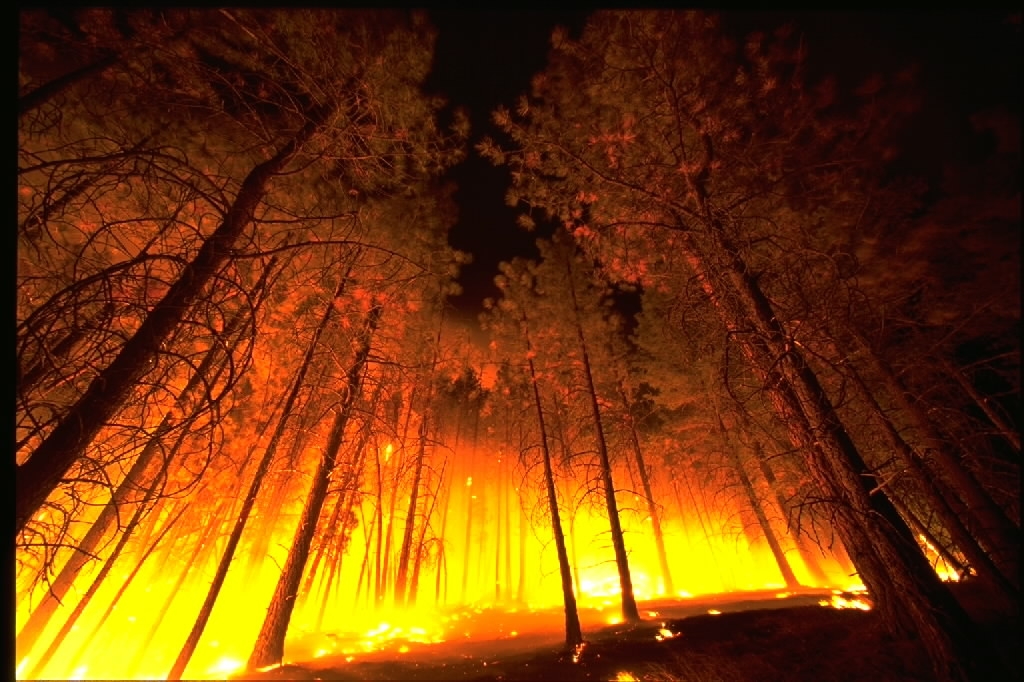
Across Southern Europe, this summer’s relentless heatwaves and extreme drought have ignited devastating wildfires. From the Gironde region in France to vast rural communities in France, Greece, Italy, Spain, and Portugal, fire crews are confronting unprecedented flame fronts that threaten homes, ecosystems, and human lives. Almost 300,000 people have now fled homes only in France and Spain
The situation in southwestern France has reached a critical threshold. In the Gironde and Landes regions, fast-moving wildfires fueled by extreme heat have scorched thousands of hectares of ancient pine forests and threatened critical infrastructure. Local emergency crews report that the fires are behaving unpredictably, generating their own localized weather systems that blow through traditional containment lines. In response, France has invoked the European Union’s Civil Protection Mechanism to request international assistance.
Simultaneously, Spain has declared a national emergency after major blazes broke out around Madrid, Avila and Guadalajara, forcing the evacuation of thousands of residents. Over 100,000 hectares have burned across the country since the start of the year, driven by temperatures topping 40°C and critically high Fire Weather Index (FWI) ratings. Spanish president, Pedro Sánchez, visiting some of the most devastated areas, has declared that “year after year we clearly see how climate change kills and destroys wealth in our communities”. “This isn’t politics. It is science, it’s about facts,” he added.
Wildfires also impacted extended areas inPortugal, Italy -particularly across Sicily- and throughout regions of mainland Greece and its islands, with tens of thousands of hectares of forest and farmland having been scorched, According to the European Forest Fire Information System (EFFIS), over 250,000 hectares (~617,000 acres) have burned so far this year across the EU. Mid-to-late July usually marks the start of peak wildfire season, but current cumulative totals are already tracking 2 to 3 times higher than the 20-year seasonal baseline for this time of year.
What was once classified as an exceptional summer season has now indisputably become the baseline European summer.
The European Shield: How the EU Mobilizes Emergency Support
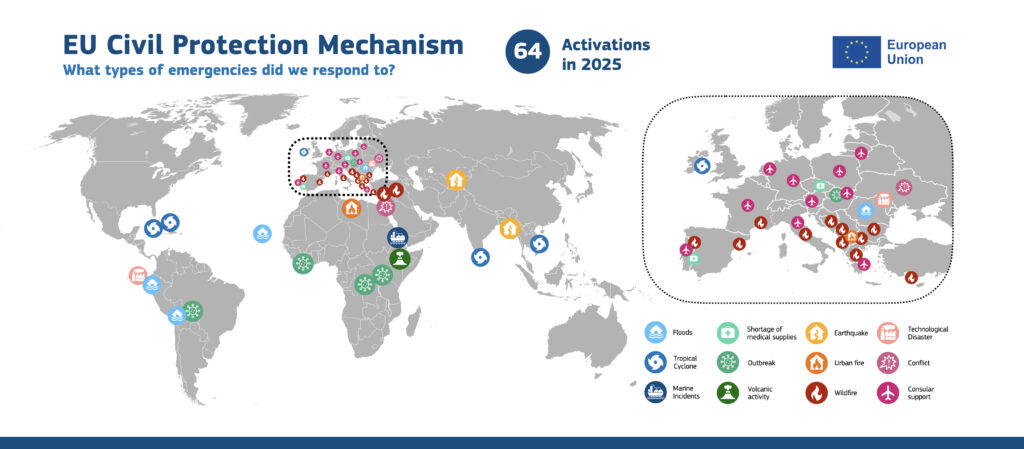
As national emergency services are stretched beyond capacity, European solidarity is responding with immediate tactical air and ground support. The European Union operates one of the most sophisticated cross-border civil protection networks in the world, managed continuously through the Emergency Response Coordination Centre (ERCC) in Brussels.
Key Mechanisms of EU Fire Protection
The EU Civil Protection Mechanism (UCPM): Allows any country in Europe—or globally—to formally request international reinforcement during natural disasters.
The rescEU Fleet: A dedicated strategic reserve fully funded by the EU. For the current wildfire season, this includes 22 firefighting aircraft (amphibious Canadairs and light planes) and 5 heavy helicopters stationed strategically across member states. For the current summer season, the EU has put on standby a record reserve of 22 firefighting aircraft, 5 helicopters, and pre-positioned 777 ground firefighters from 14 nations across high-risk Southern European countries (France, Spain, Portugal, Greece, Italy, Cyprus)
European Forest Fire Information System (EFFIS): Real-time satellite mapping and weather analytics providing early warnings and danger forecasts to regional commanders.
Through all these mechanisms, when countries such as Spain or France requests emergency activation, aircraft from Sweden or Cyprus, and ground units from Portugal, Germany, or Poland, can be diverted within hours to reinforce local lines.
Citizen Guidelines: How You Can Prevent Wildfires and Build Resilience
While the brave work of specialized firefighters and cross-border emergency operations provide critical life-saving intervention, long-term safety also requires addressing root causes. According to the European Commission, the share of wildfire ignitions caused by human activity in the EU by far exceeds natural causes and could be as high as 96%. True resilience demands that we match the dedication of our first responders with proactive civic care. Here are essential daily guidelines every citizen can follow to reduce ignition risks and protect local ecosystems: an contribute to wildfire prevention and long-term resilience:
1. Daily Prevention & Behavioral Awareness
Respect fire bans immediately: Never light open fires, campfires, or outdoor barbecues during high-wind or high-heat warnings in or near forested zones.
Dispose of heat sources safely: Never toss cigarette butts out of vehicle windows or onto dry terrain. Ensure machinery (lawnmowers, brush-cutters, chainsaws) is kept away from dry grass during peak heat hours, as exhaust sparks can trigger instant brushfires.
Vehicle safety: Park cars only on cleared, paved surfaces. Hot catalytic converters under exhaust systems can easily ignite dry foliage underneath parked vehicles.
2. Creating “Defensible Space” Around Homes
When possible, clear the buffer zone: Maintain a cleared perimeter of at least 10 meters around your property by trimming dead foliage, clearing dry pine needles from gutters, and removing dry underbrush.
Plant fire-resilient vegetation: Replace highly flammable plants (like dry conifers or eucalyptus) with fire-resistant native broadleaf species that retain moisture longer.
Secure fuel reserves: Store firewood, fuel canisters, propane tanks, and flammable outdoor furniture at safe distances away from house walls.
3. Civic Engagement & Community Resilience
Stay Informed: Follow updates from national civil protection agencies and register for local emergency SMS alert systems.
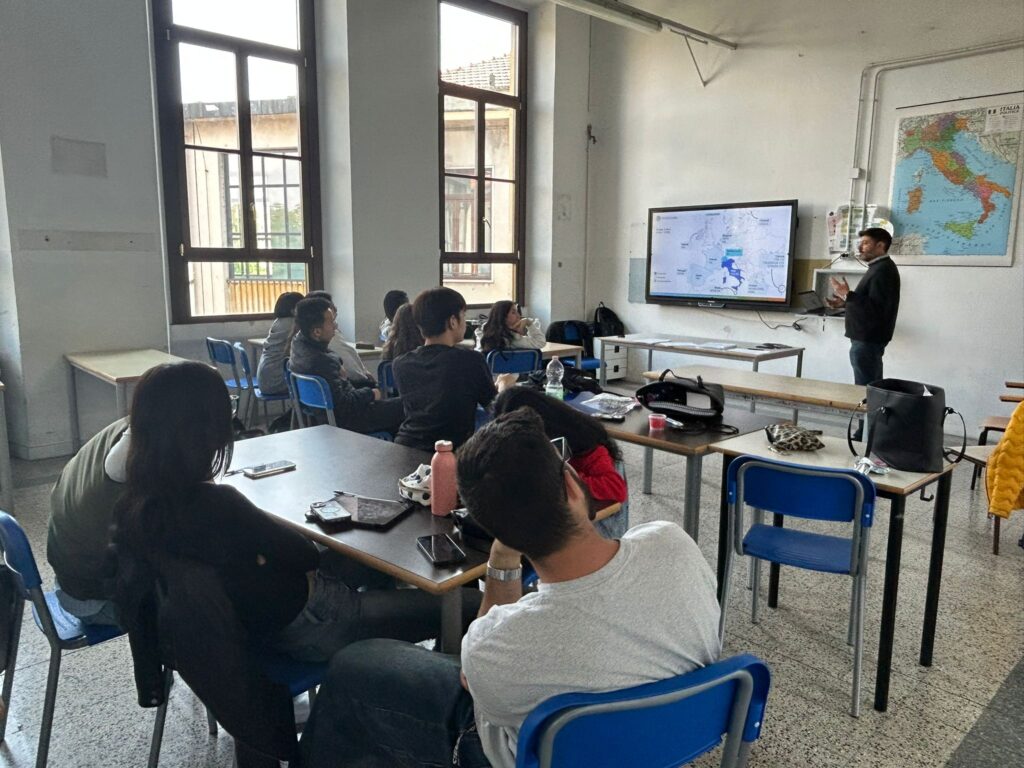
Participate in local adaptation councils: Join municipal workshops and civic dialogues fostered by initiatives like Neuroclima. Local knowledge mixed with scientific data creates the strongest defense against climate hazards.
Know your evacuation plan: Establish clear family evacuation routes, keep an emergency kit packed during peak fire risk periods, and proactively check on elderly or vulnerable neighbors during extreme heat alerts.
Subscribe to our newsletter to become part of the NEUROCLIMA community and receive updates about the project activities: https://neuroclima.eu/subscribe-neuroclima-newsletter/