
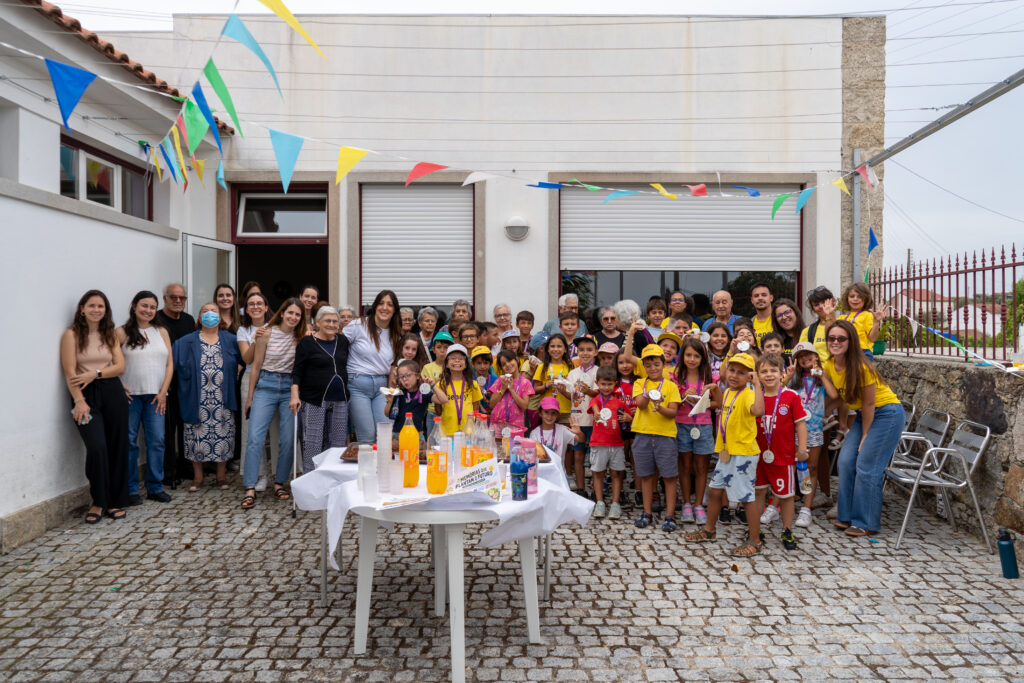
There is a question that runs through generations without ever losing its force: what was the world like before we were born? In Taberna Seca, Portugal, that question stopped being rhetorical one autumn morning. Twenty children, aged six and seven, from ATL Benny Park walked through the doors of Centro Social da Taberna Seca not to receive a lesson, but to hear one told aloud.
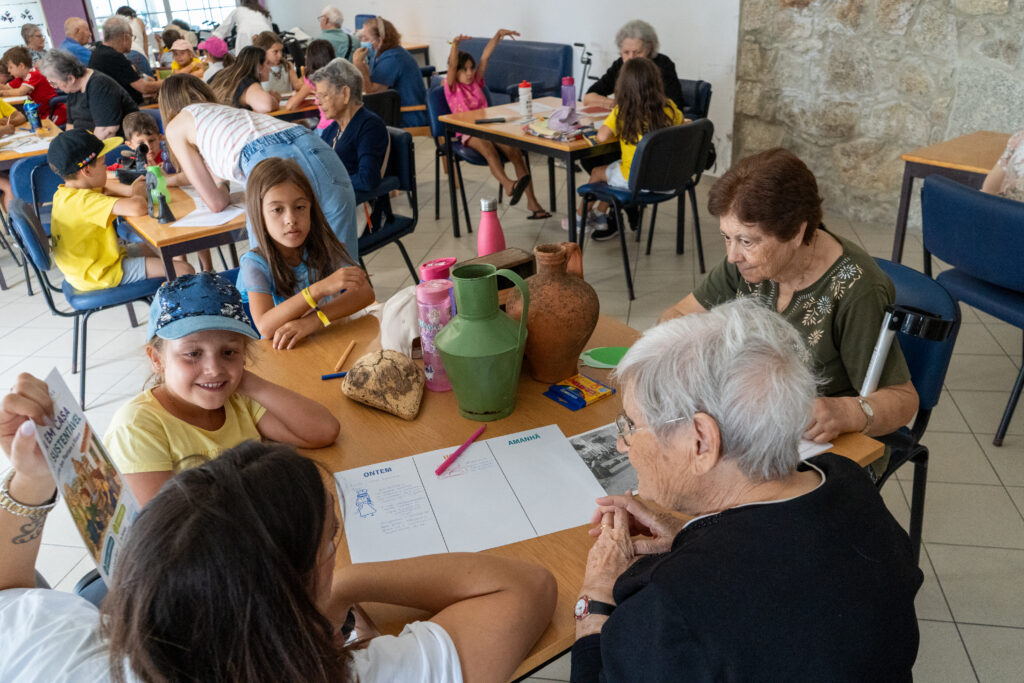
On the other side of the table sat the real protagonists of the day: men and women who have watched water, land and seasons change with their own eyes. Old photographs, everyday objects now almost forgotten, and a handful of simple questions — How did you get to school? Where did you collect water? Did your family have a car? What did you grow in your garden? – were enough to open a conversation no slideshow could ever match.
The activity, led by our partner CATAA, was part of the ambitious series of pilot activities deployed as part of the NEUROCLIMA Project. Building on the lessons learned during the development of the project, our Portuguese partner designed an activity that combined facts and emotions. It was not a talk about climate change, but an encounter with it, exactly as it has been written, year after year, into the memory of those who lived through it. Because talking about climate is also talking about what has changed within a single lifetime: the availability of water, agriculture, energy, transport, landscapes, the smallest habits of daily life. And that is a story only those who walked it can tell.
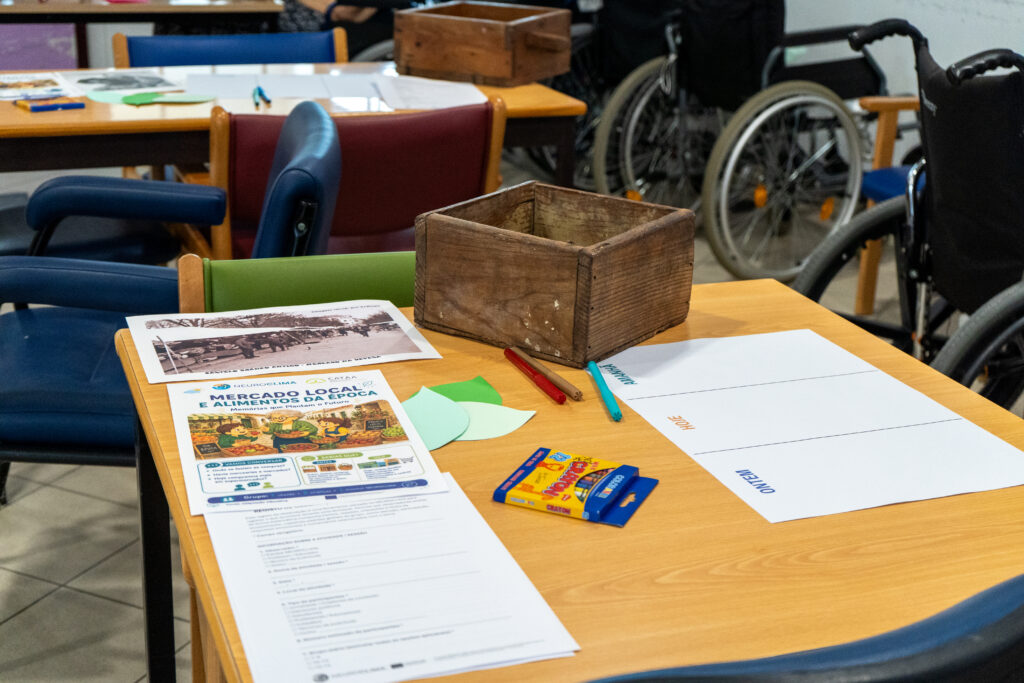
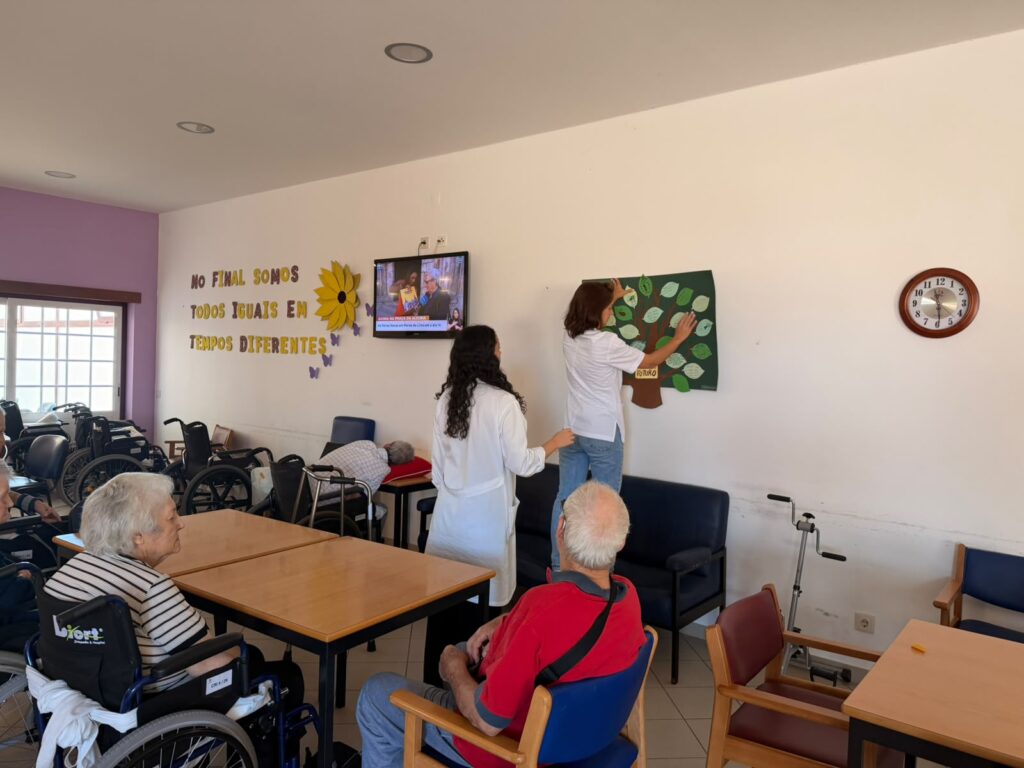
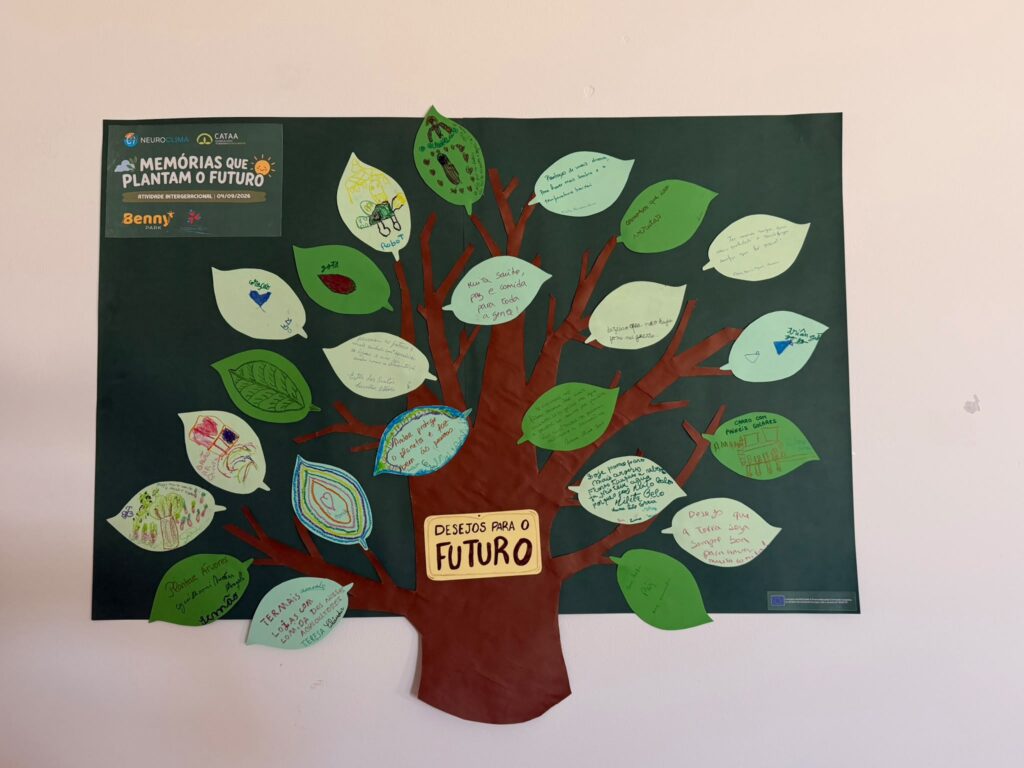
At the end of the session, each group left a message for the future – not in a notebook, but hung from a tree built especially for the “Memories That Plant the Future” activity, which now stands in the Centro Social as a quiet witness to the encounter, and, perhaps, as an invitation for the conversation to continue.
The Forest Can Also Be Learned Through the Eyes
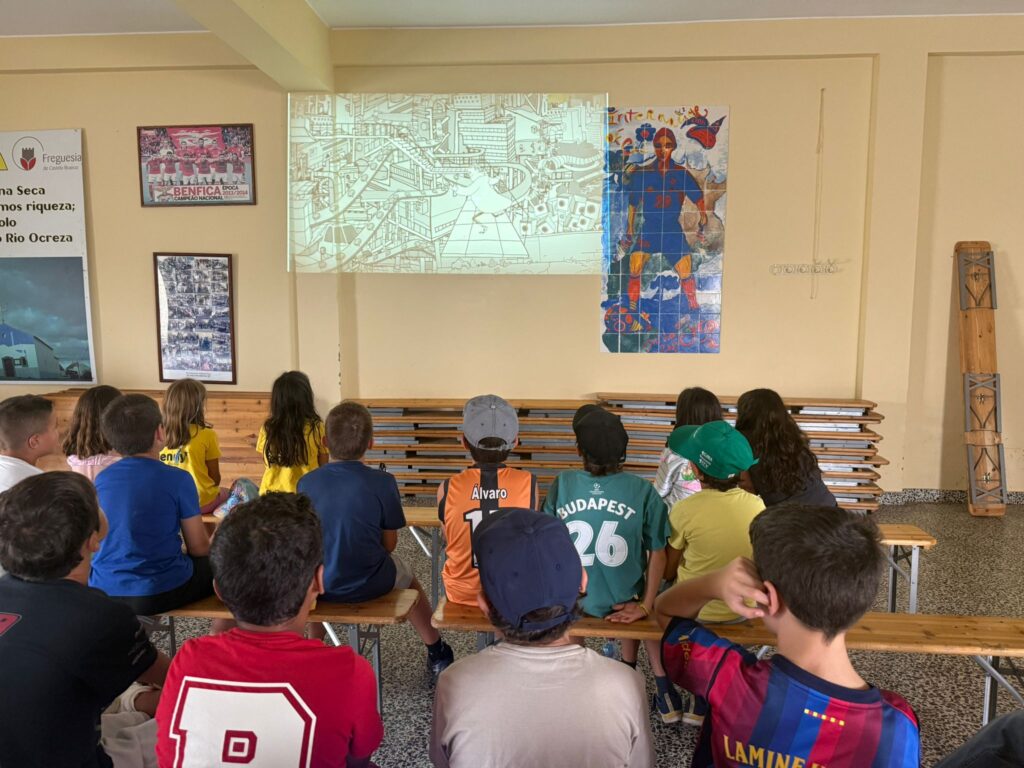
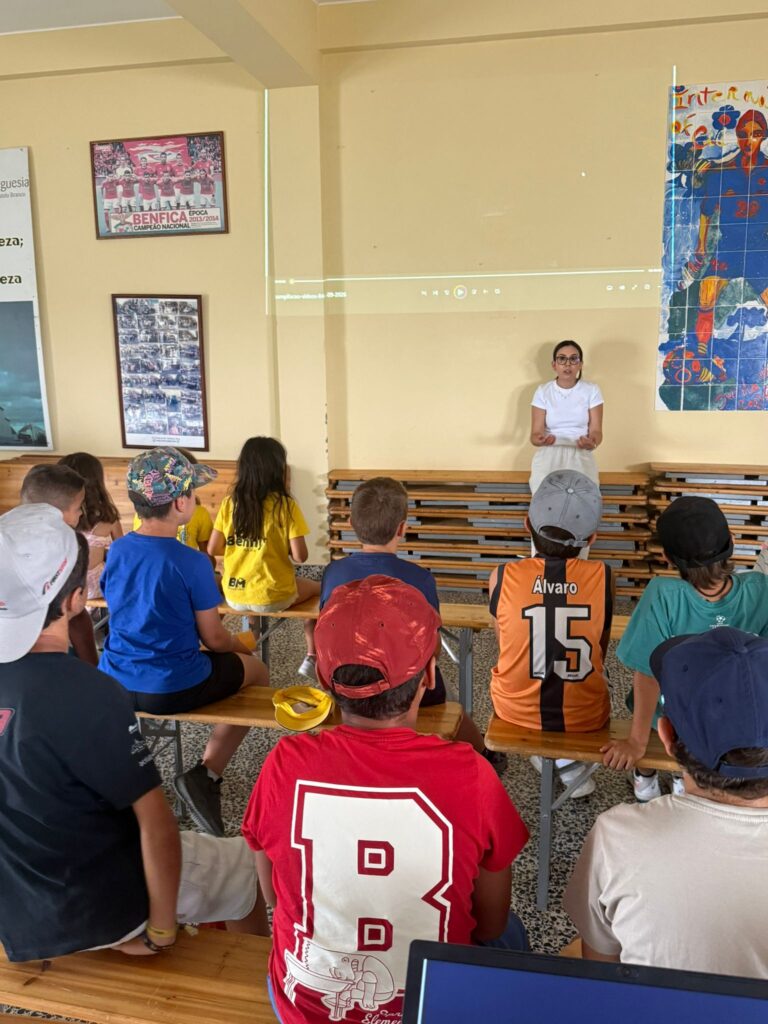
A few metres away, at the headquarters of the Associação Desportiva e Cultural de Taberna Seca, another 26 children, aged seven to eleven, sat in front of a screen. They watched The Man, by Steve Cutts, and Forevergreen, by Nathan Engelhardt and Jeremy Spears – two short films, almost wordless, capable of saying more about our relationship with nature than many a speech. From there came another conversation, this time about the consequences of our choices, and about something as simple as it is essential: that a tree gives shade, food and shelter, and quietly sustains countless forms of life.
Across both activities, the final tally speaks for itself: 46 children, 8 youth workers and around 30 older adults from the Centro Social, gathered around a single idea. But as CATAA is quick to remind us, the numbers were never the point. What mattered were the conversations that lingered afterwards, once the photographs had been put away and the screens had gone dark.
Building Climate Resilience across Europe
What happened in Taberna Seca is not an isolated case, but one piece of a mosaic being woven across six European countries, wherever NEUROCLIMA brings together behavioural science and groundbreaking AI technology to build something as urgent as it is hard to measure: climate resilience. These activities draw on the NEUROCLIMA toolkit, a set of creative participatory tools designed to spark curiosity, encourage dialogue, and carry climate learning far beyond the walls of a classroom.
Because some knowledge cannot be learned from books alone. Some memories help us understand the present. And some encounters between generations – however brief – have the strange power to plant, today, the ideas that will give us shade tomorrow.
A heartfelt thank you to Centro Social da Taberna Seca, Associação Desportiva e Cultural de Taberna Seca, ATL Benny Park, and to all the children, older adults and activity leaders who made this moment possible. 🌳💚🌍

