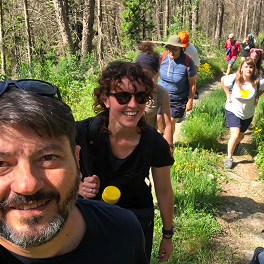
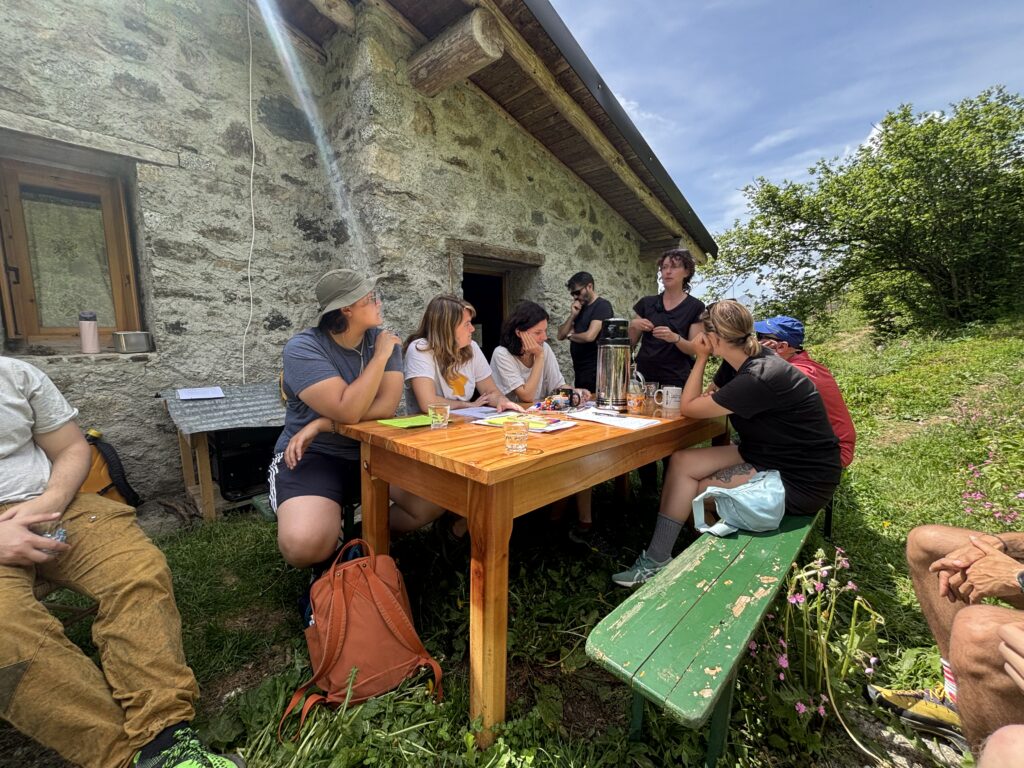
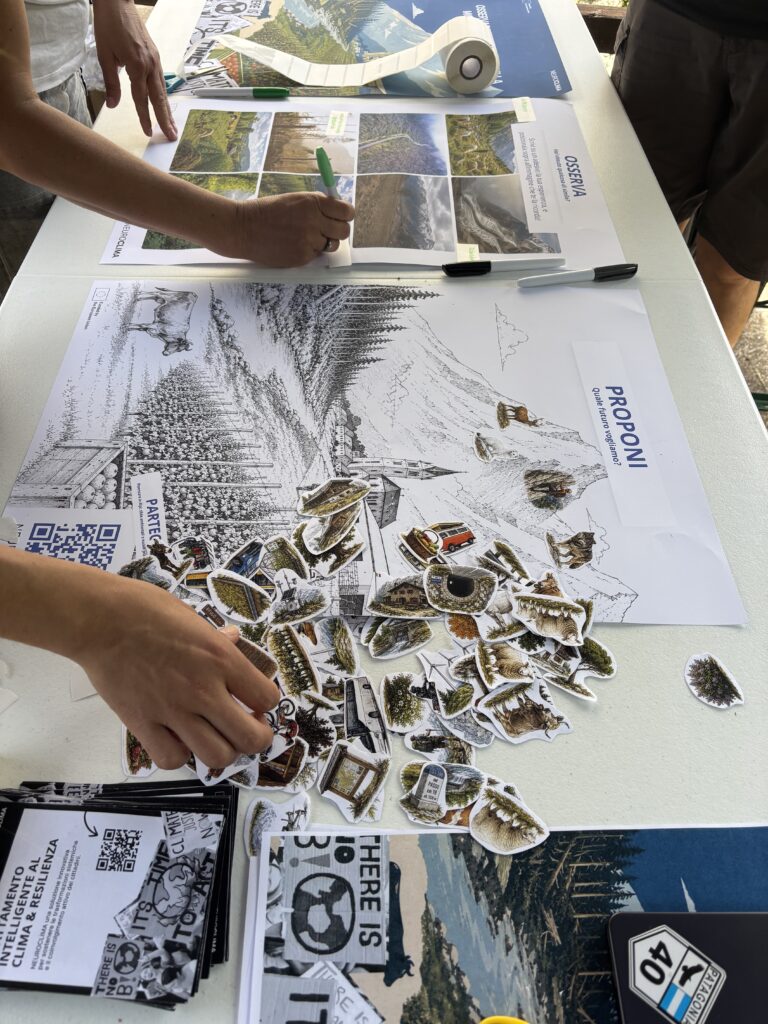
In a small mountain village tucked into the Italian Alps, the physical scars of Storm Vaia still mark the landscape – a stark reminder of how rapidly climate disruption can rewrite a community’s geography. Yet in Cevo, rather than focusing solely on ecological loss, local residents and researchers gathered to process historical environmental trauma and transform it into active civic resilience.
This local initiative led by Politecnico di Milano is part of a broader shift sweeping across Europe. As the climate crisis accelerates, a growing movement of researchers, educators, and activists are reaching the same conclusion: top-down mandates and abstract warnings often fail to move people to action. True adaptation requires something far more grounded – climate strategies that are designed alongside local communities and rooted in the reality of their everyday lives.
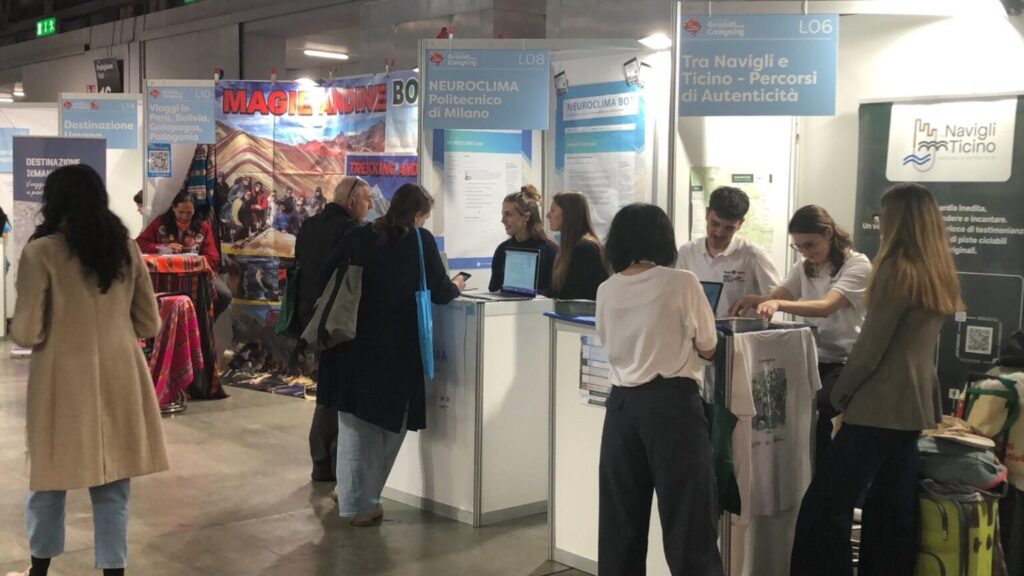
Over the past three months, NEUROCLIMA reached a pivotal milestone across several Europe’s countries, testing how emotional engagement, co-creation, the arts and creative storytelling can turn climate awareness into enduring civic commitment.
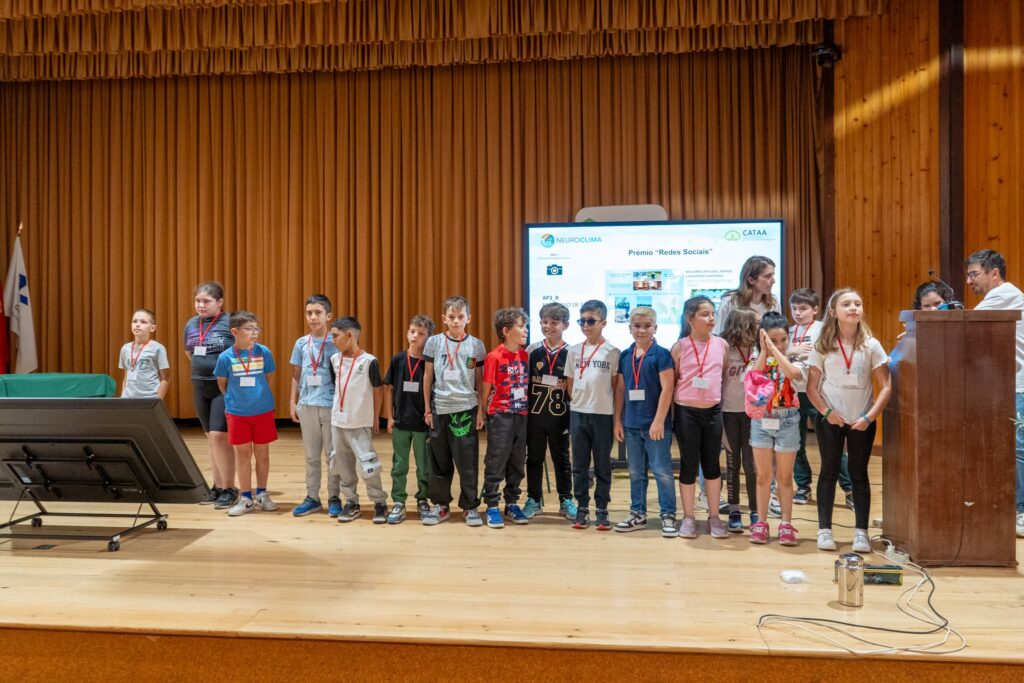
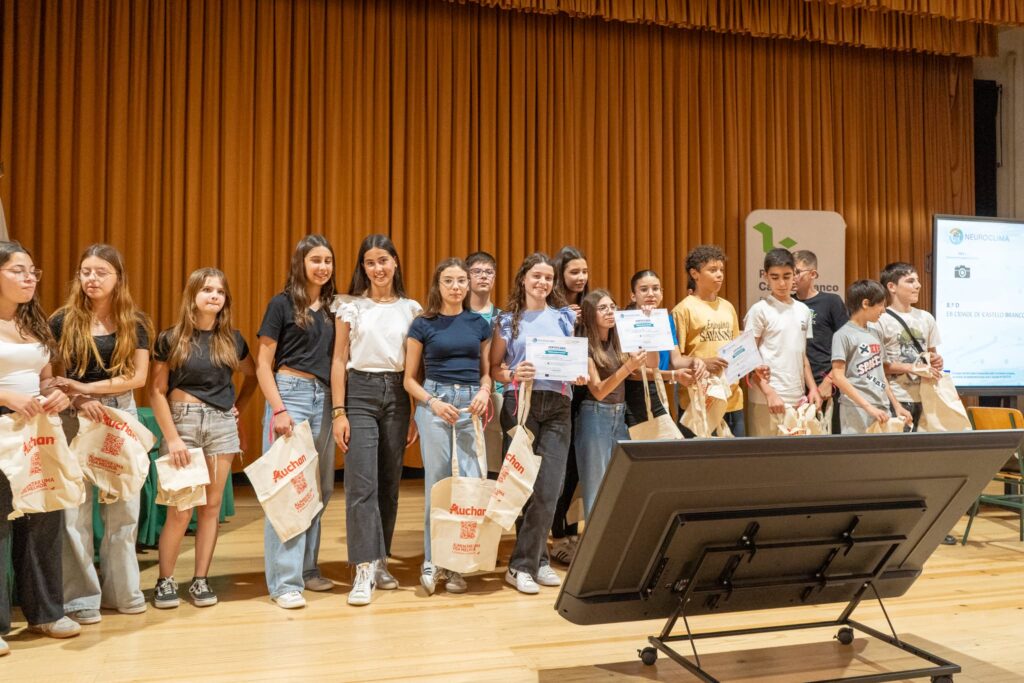
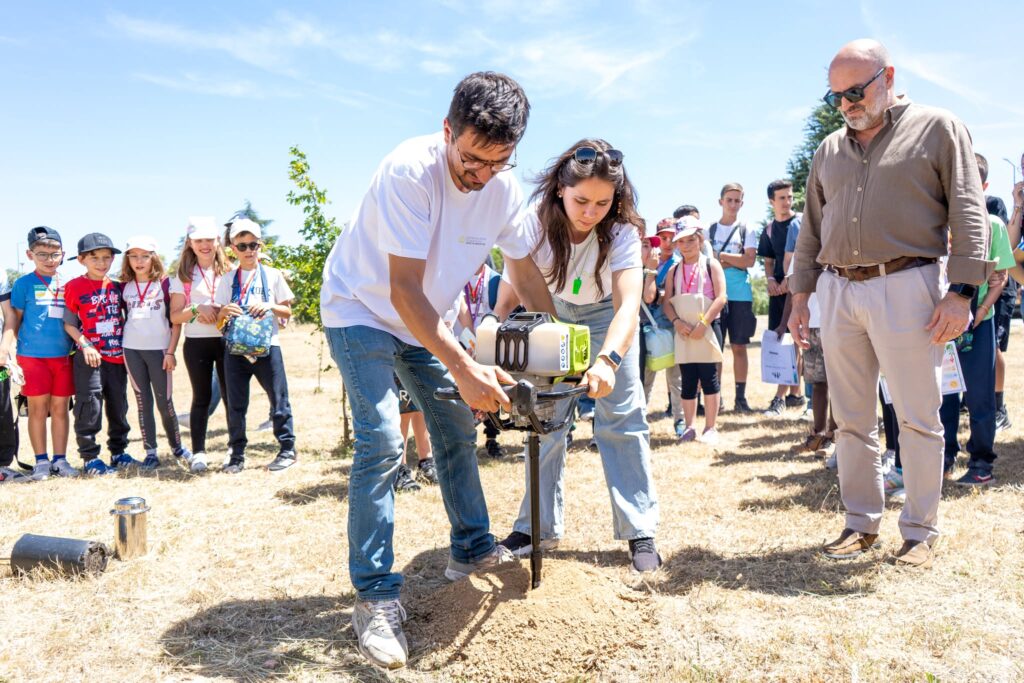
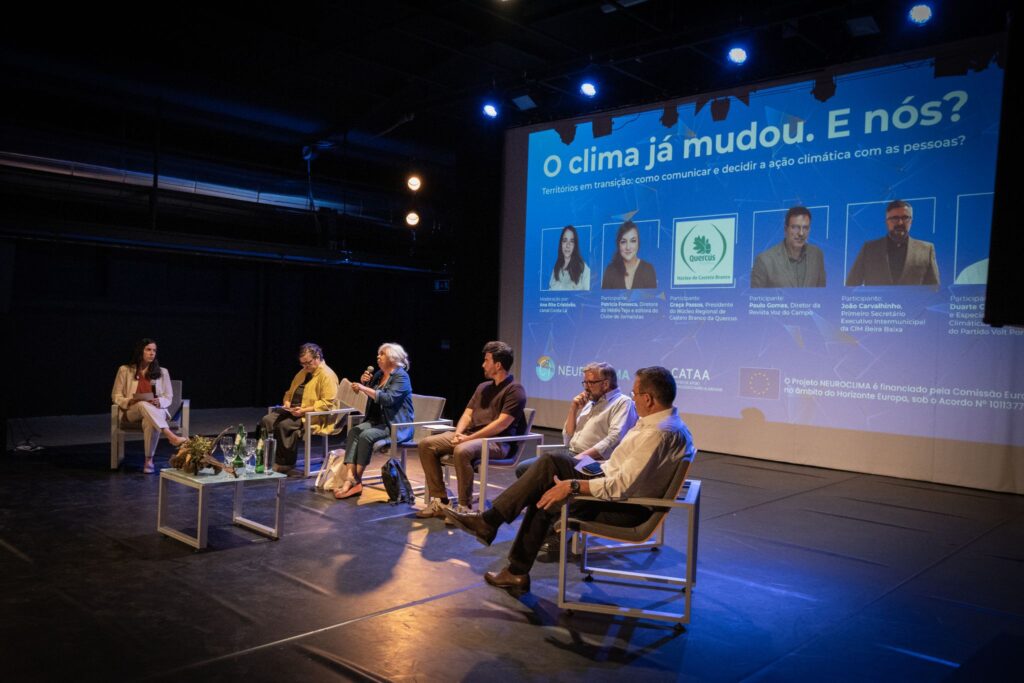
In Portugal’s Castelo Branco region, the focus turned to rural ecosystem vulnerabilities in a series of highly successfull activities organised by our partner CATAA (Centro de Apoio Tecnológico Agro-Alimentar). Through the “Messages for the Future” campaign, more than 6,000 citizens and hundreds of students worked alongside scientists, writers, and photojournalists. Together, they mapped the interconnected threats of forest fires, severe drought, and food security through a One Health lens, connecting planetary health directly to regional agricultural survival.
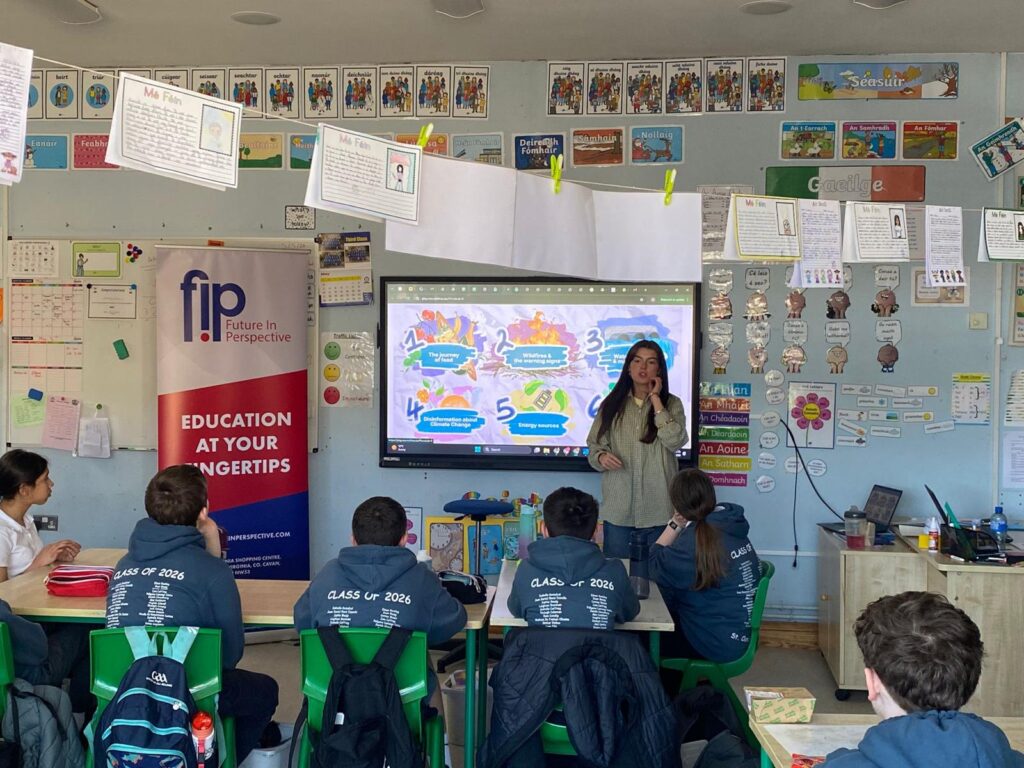
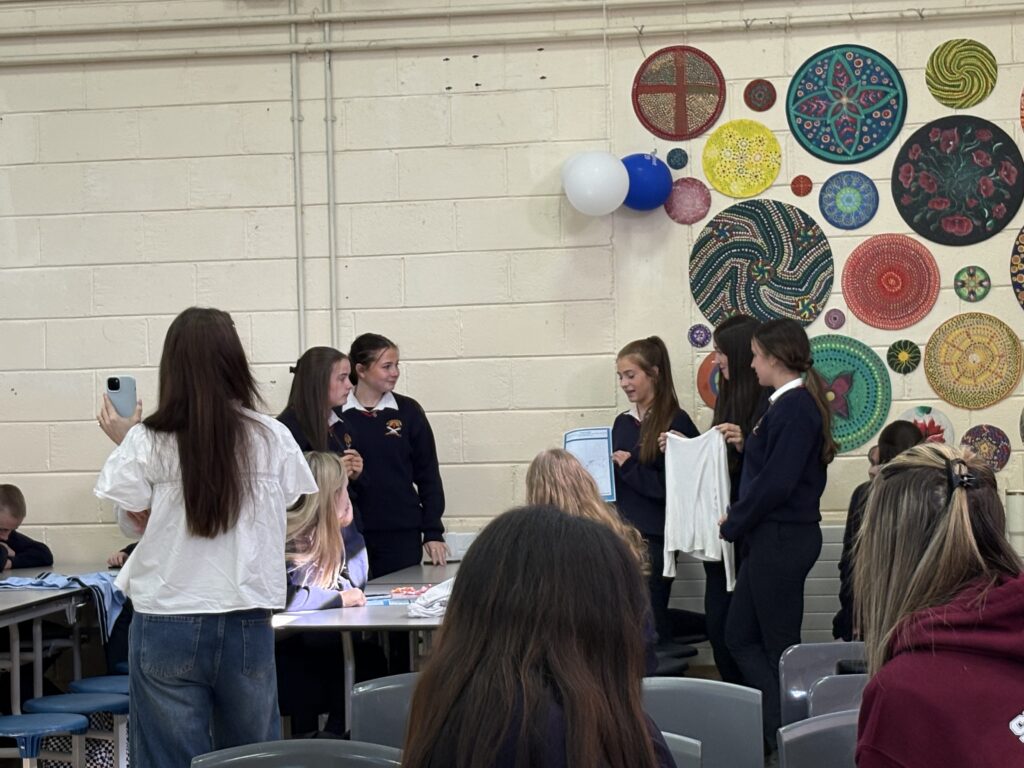
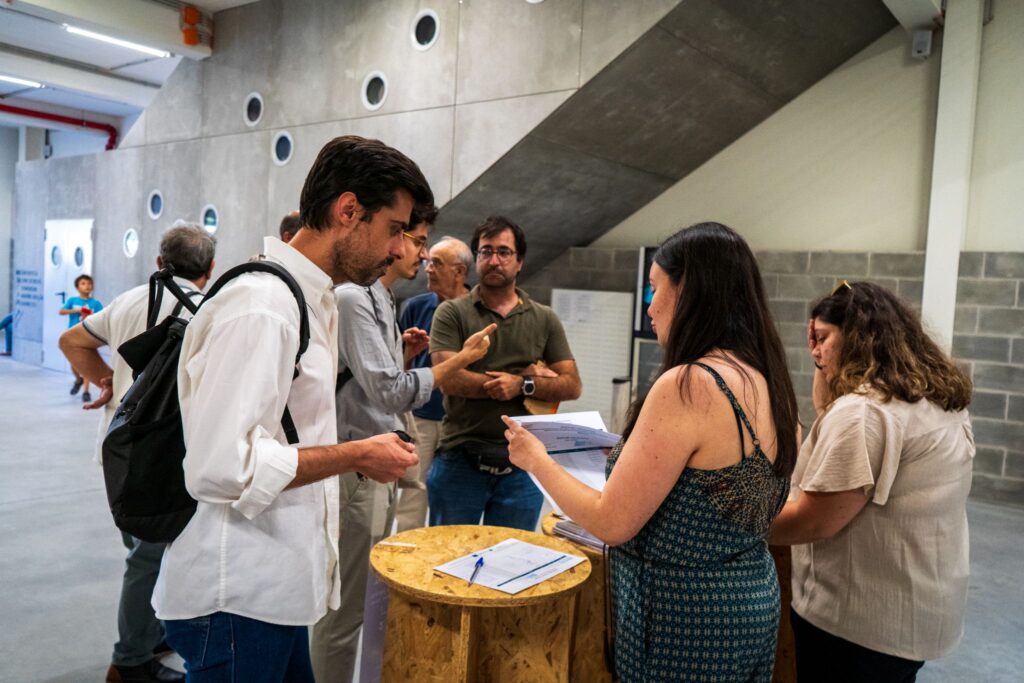
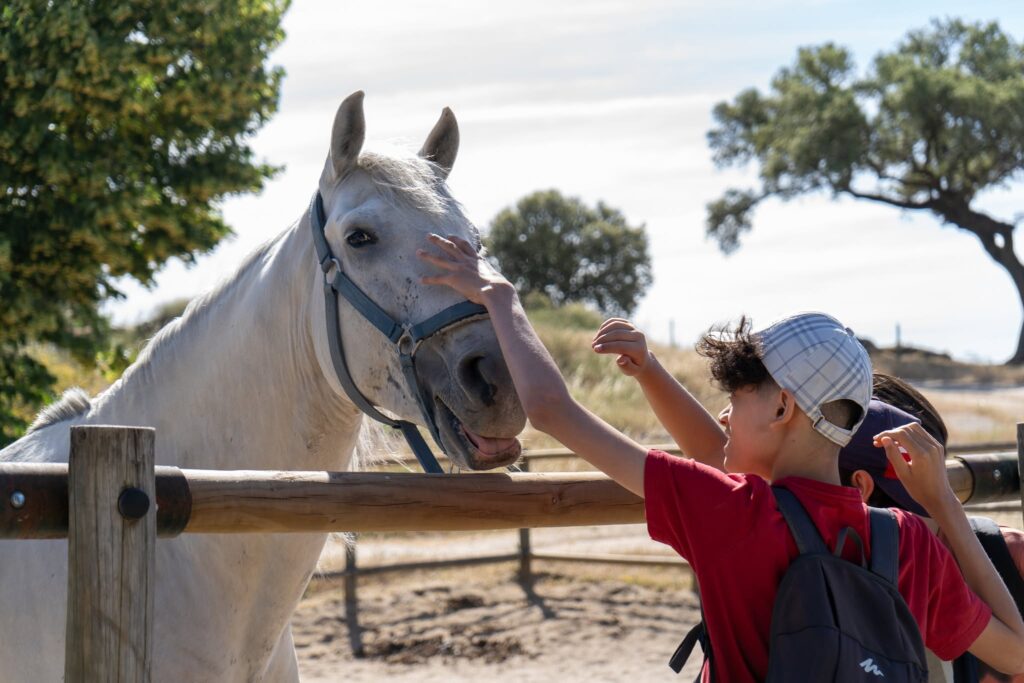
Further north in Ireland, the challenge was met with grassroots community engagement across County Cavan. Rather than relying on technical lectures, pilot teams deployed interactive, gamified workshops in local schools and hosted community learning festivals in towns like Virginia, Belturbet, and Cootehill—making topics like fast fashion and food supply chains tangible for families and youth leaders.
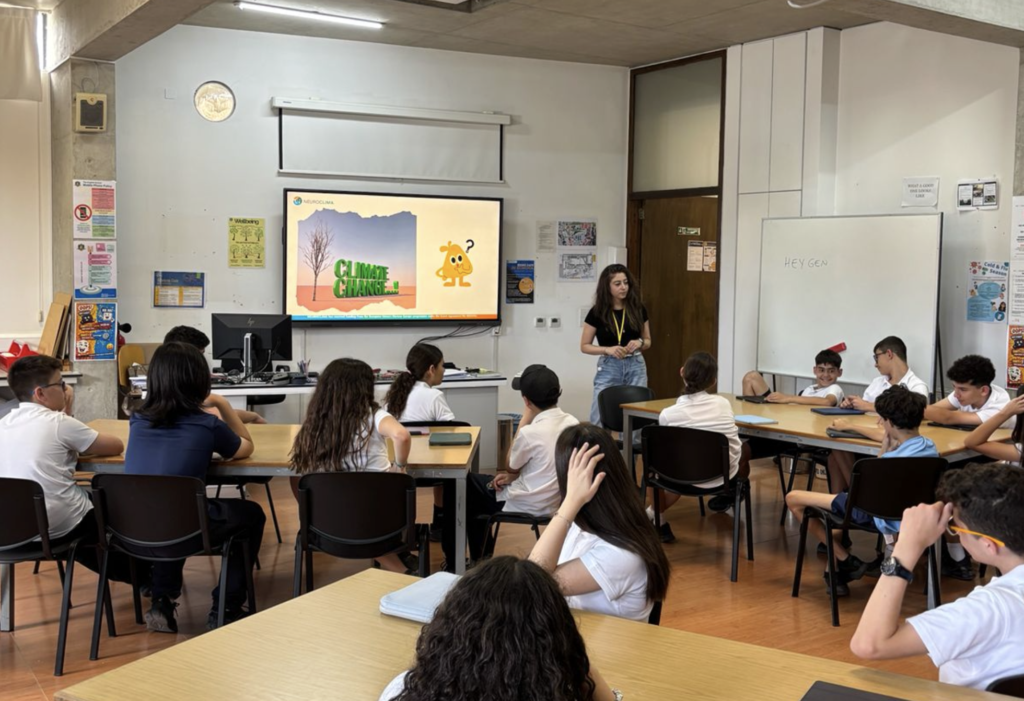
Meanwhile in Cyprus, consortium partner STANDO LTD gathered school students for an experiment in climate literacy that swapped textbooks for cinema and narrative storytelling to address climate fatigue and anxiety. The workshops created structured spaces for young students to navigate complex eco-emotions, helping them translate personal reflections into local civic projects.
Journalists and content creators from across Europe also had the opportunity to test the NEUROCLIMA tools in the hands-on webinar co-organised by the Centre for European Policy Studies (CEPS) and Re-Imagine Europa (RIE) as the first installation of the Future of Our Food series. Participants successfully tested the Neuroclima Hub’s AI-powered tools Lens and Bot, delivering highly valuable feedback about the project toolkit and framework. The second part of this pilot will be hosted by CEPS on August 18 Bruxelles, with participation of researchers, NGOs, policymakers and journalists working on climate-related policy and news. If you are interested in participating you can write to berta.mizsei@ceps.eu.
Reporters, editors and other media professionals from Greece and Cyprus are also invited to join the upcoming NEUROCLIMA Webinar on AI and Climate Change Adaptation organised by Verimpact to support the communication of climate risks, scientific evidence and adaptation measures. The Greek-language webinar will introduce the Neuroclima Hub innovative technical solutions and gather the participants’ feedback to support our technical team in the final development phase. To secure your spot for this activity, you can register here: https://lnkd.in/dGWEvBmh
The outcomes of these past three months illustrate a fundamental principle: lasting environmental action takes root when scientific evidence meets local human experience. By continuing to test and scale resonance-driven communication models, NEUROCLIMA ensures that adaptation across Europe remains participatory, empathetic, and community-led.
📩 Stay Connected: Subscribe to the NEUROCLIMA Newsletter to access detailed pilot updates, research briefs, and upcoming project milestones.

